

Quick Summary: Which Digital Marketing Channels Work Best for Small Businesses Today?
- The answer is different for everyone. Some channels generate leads immediately, while others build long-term visibility. Knowing what each one does well is the first step in allocating your marketing budget where it counts.
- Search-based channels like SEO, GEO, and Google Ads remain the strongest performers for lead generation. These tap into high-intent behaviour, reaching people who are actively looking for what you offer.
- Social media and email marketing are essential for nurturing audiences and staying visible. However, they serve different purposes. Social media builds awareness and community, while email marketing speaks directly to people who have already shown interest in your business.
- Small businesses must use a combination of channels rather than rely on a single one. Starting with two or three well-managed channels and building from there yields better results than spreading a limited budget too thin across everything at once.

Ask five marketers which digital marketing channels your small business should use and you’ll get five different answers.
One will tell you TikTok is non-negotiable. Another will say email marketing is dead. A third will insist you need to be running Google Ads before doing anything else. The last two may even tell you to just stick to Meta ads. For a small business owner trying to generate real leads and revenue, the noise is exhausting, not to mention expensive to get wrong.
The Top 7 Digital Marketing Channels for Small Businesses
With 26.2 million Australians online as of October 2025, representing 97.1% of the total population, the audience for digital marketing channels is there. The harder question is knowing which channels will reach them for your type of business.
1. Search Engine Optimisation (SEO)
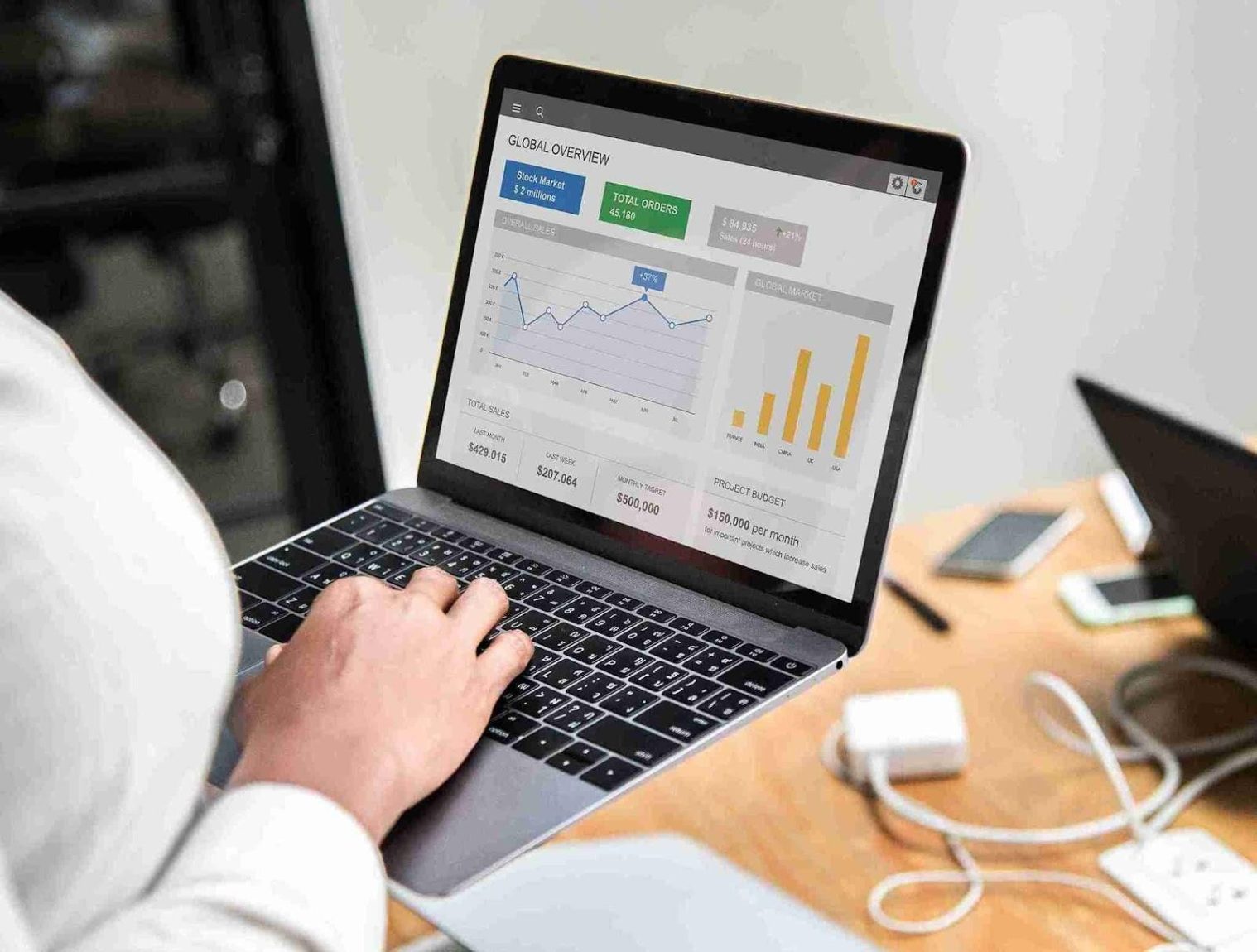
SEO involves optimising your website so it ranks organically in search results when potential customers look for what you offer.
Google holds 91.09% of the Australian search engine market as of December 2025, making first-page visibility genuinely valuable for any business.
The main advantage of SEO is sustainability. Once your rankings are established, organic traffic costs nothing per click. The main drawback is time. Meaningful results typically take three to six months to appear, sometimes longer in competitive markets. For small businesses in healthcare, construction, trades, property, and financial services, local SEO targeting specific suburbs and service areas tends to deliver the strongest early results.
2. Generative Engine Optimisation (GEO)
GEO is the practice of optimising your content and online presence so your business gets recommended by AI-powered search tools like ChatGPT, Google’s AI Overviews, and Microsoft Copilot.
Around 45% of Australians have tried generative AI, and 28% use AI tools at least weekly, which is nearly double the global average of 15%. Australia also accounts for roughly 2% of ChatGPT’s global traffic despite representing just 0.33% of the world’s population, so it’s undoubtedly one of the strongest AI adopters per capita on the planet.
Where traditional SEO focuses on ranking in Google’s blue links, GEO focuses on becoming the answer an AI tool surfaces when someone asks a question relevant to your business. Considering this, those investing in GEO now are positioning themselves ahead of a customer behaviour change that is already well underway.
3. Google Ads (Paid Search)
Google Ads delivers immediate visibility by putting your business at the top of results the day a campaign launches. Paid search targets people who are actively looking for your product or service right now, which makes it one of the highest-intent channels available.
The trade-off? Cost. Every click comes with a price, and campaigns require active management to perform well. For service-based businesses where a single client relationship is worth significant revenue, the return on a well-managed Google Ads campaign regularly justifies the investment.
4. Social Media Marketing
Australia had 20.9 million social media user identities in January 2025, equating to 77.9% of the total population. For small businesses, social media offers a broad reach at relatively low cost, though organic reach on most platforms has declined significantly over recent years.
| Platform | Australian Users |
| 17.2 million users | |
| YouTube | 21 million ad reach |
| 14.3 million users | |
| TikTok / X | 6.1 million users (18+) |
| 17 million members |
Source: Data Reportal
Social media offers a broad reach at a relatively low cost. Paid social, particularly Meta Ads across Facebook and Instagram, gives small businesses precise targeting by location, age, interest, and behaviour.
Moreover, digital marketing channels like social media advertising can generate awareness for businesses trying to build brand recognition in a local area, or for those with a visual product or service. Pairing it with a retargeting strategy improves results considerably.
5. Email Marketing
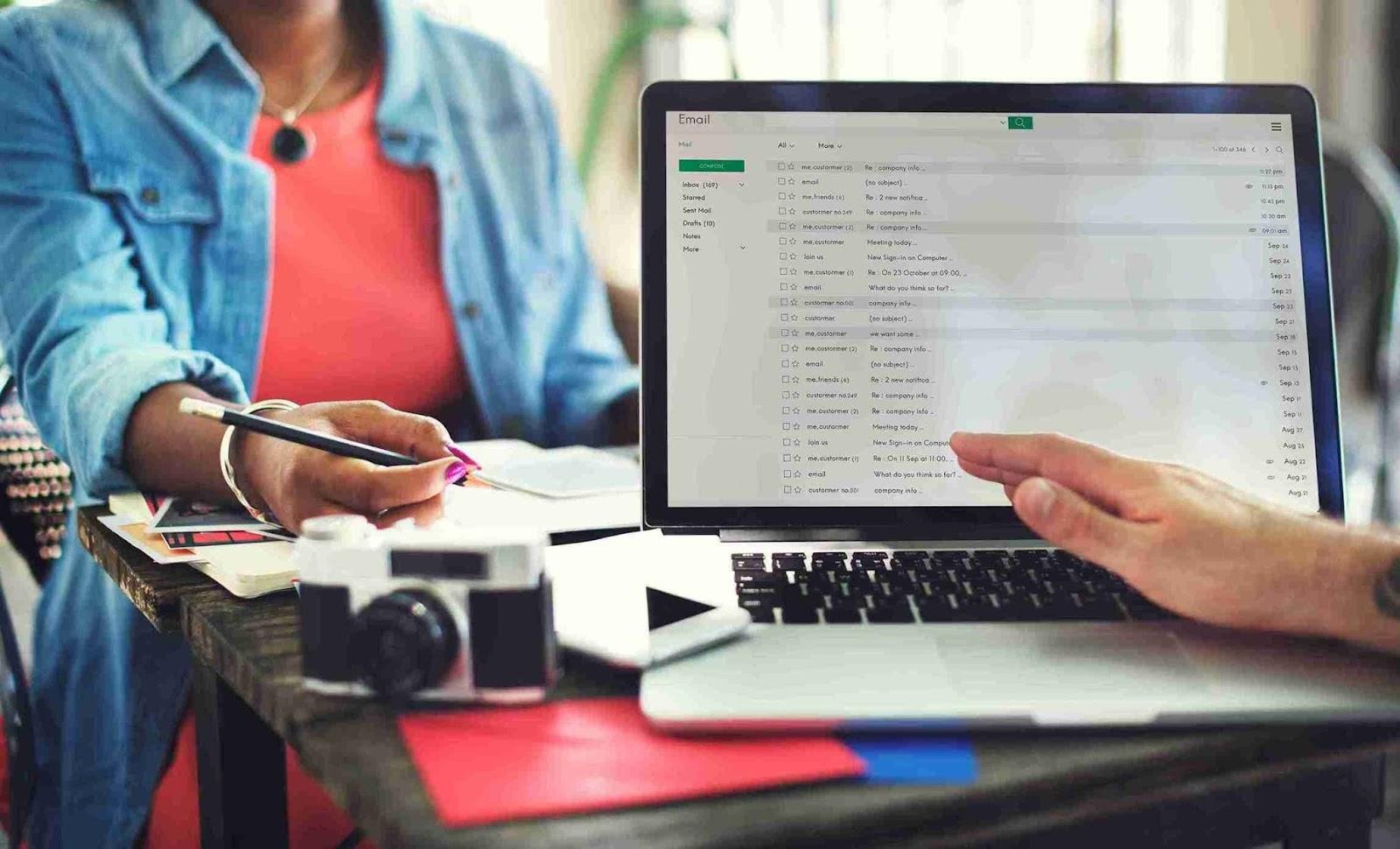
Statista reports an average return of 3600% to 4200% on email marketing globally, making it one of the best digital marketing channels. Moreover, Forbes also cites that with 4.48 billion email users worldwide, around 81% of companies use email as part of their marketing strategy.
Australia also records among the highest email open rates in the world, at 46.34%. For small businesses, email works particularly well for nurturing leads who aren’t ready to buy yet. It keeps existing customers engaged while promoting offers or new services to a warm audience.
The best part is that running an email list costs relatively little, and the ability to segment and personalise messages makes it far more targeted than social media.
6. Content Marketing on Your Own Website
Content marketing through blog posts, guides, how-to videos, and/or resource articles builds long-term organic traffic. It also positions your business as a credible authority in your field, working hand in hand with SEO. Keep in mind that well-written content covers the right keywords, which then drives search traffic over time and gives your audience a reason to trust you before they reach out.
Undeniably, consistency is the main challenge for most businesses for a lot of digital marketing channels, but particularly this one. After all, a blog that publishes sporadically produces limited results.
Businesses that commit to a regular content schedule, even one quality post per month, build compounding visibility over time that paid channels alone cannot replicate.
7. Google Business Profile
Often underestimated as a standalone channel, a well-optimised Google Business Profile is one of the cheapest things a small business can do.
A complete profile drives visibility in local map results, collects reviews, and gives potential customers immediate contact information and social proof, all for free.
This is a non-negotiable for any service-based business operating in a specific geographic area, as having a strong placement in local map results can generate enquiries as a paid campaign. Reviews matter significantly in this channel, though. Businesses with high-quality reviews regularly outrank competitors in local results, regardless of website quality.
Other Digital Marketing Channels Worth Considering
Curious about the other digital marketing channels you can try? Check these out.
B2B businesses such as professional services, financial advisers, consultants, and construction companies pitching to corporate clients find LinkedIn effective because it offers direct access to decision-makers in a way no other platform can replicate.
Digital PR
Digital PR involves earning coverage in online publications and news outlets, as well as industry websites. Beyond the brand exposure, each link back to your website from a credible source strengthens your domain authority and improves your SEO rankings over time.
SMS Marketing

High open rates make SMS a strong channel for time-sensitive offers and appointment reminders. In 2024, there were 32.89 million mobile connections in Australia, equivalent to 130% of the population, and 96% of Australians use their mobile phone for sending messages.
Healthcare and trade businesses with existing customer databases can use this digital marketing channel to reduce missed appointments and drive repeat bookings at a low cost per send.
Digital Marketing Channels FAQs
Which digital marketing channel has the best ROI for small businesses?
When it comes to digital marketing channels, email marketing consistently ranks at the top for ROI. For lead generation specifically, Google Ads and SEO tend to deliver the strongest results for service-based businesses.
Do small businesses need to be on every channel?
No. Starting with two or three well-managed channels produces better results than spreading a limited budget across everything. Pick the channels your audience actually uses and build from there.
How do I know which channel is right for my business?
Start with your customer. Where do they search for your service? If they search on Google, SEO and paid search should lead your strategy.
How long does SEO take to show results?
Most small businesses see meaningful movement in three to six months. Competitive markets and new websites take longer.
Is social media marketing worth it for small businesses?
Organic social has become less effective as platforms limit reach without paid promotion. Paid social media advertising, particularly on Meta, can deliver strong results with properly targeted and managed campaigns.
What’s the difference between SEO and Google Ads?
SEO builds organic rankings that generate free traffic over time. Google Ads delivers immediate paid visibility in search results. SEO takes longer to produce results but compounds over time, while Google Ads produces faster results but requires ongoing spend to maintain visibility.
Which Digital Marketing Channels Are Actually Working for Your Business?
If you can’t answer that question with confidence, it’s worth a conversation. Olivetree Marketing offers a free consultation to help small businesses review their current strategy to identify gaps and prioritise the digital marketing channels most likely to drive real results. Book today here.