

Unlock the power of online marketing with our guide on the Who, What, Why, and How of Digital Marketing. Learn why it’s vital for your business. Understand the key players and grasp the basics. Discover how to create engaging digital content that captures your audience’s attention and drives results.
Explore strategies like social media and SEO to help your brand thrive online. Get ready to boost your online presence with this overview.
What is digital marketing, and how does it differ from traditional marketing?
Digital marketing promotes products or services through online channels. These include websites, social media, email, search engines, and mobile apps. Digital marketing differs from traditional marketing. Instead of using TV, radio, or print, it reaches audiences online.
Digital marketing stands out in how it uses channels. It targets specific groups, tracks performance in real time, and personalises content based on user behaviour. These features are unique to digital marketing.
What are the benefits of embracing digital marketing for your business?
Digital marketing helps businesses reach more people and increase brand visibility. It also drives conversions at a lower cost, promoting growth and competitiveness.
1. Cost-Effective Marketing
Digital marketing uses resources well. It helps businesses target specific groups and track results right away. This ensures optimal budget allocation for maximum impact, making it suitable for businesses of all sizes.
2. Targeted Advertising
Digital marketing lets businesses tailor messages for different audience groups. They can focus on demographics, interests, and behaviors. This leads to higher engagement rates by directing efforts toward those most likely to convert.
3. Enhanced Analytics and Insights
Digital marketing gives you strong analytics tools. These tools show insights into consumer behavior, campaign performance, and market trends. By analyzing this data, businesses can refine strategies and improve marketing efforts.
4. Improved Brand Engagement
Digital channels like social media allow businesses to interact with their audience in real-time. This fosters meaningful connections and builds stronger customer relationships, enhancing brand loyalty.
5. Increased Accessibility and Convenience
Digital marketing lets customers find products or services online. They can access them anytime and anywhere. This convenience boosts customer satisfaction and opens new sales opportunities.
What are the different types of digital marketing?
Digital marketing includes various strategies and channels to reach and engage with target audiences online, such as:
- Social media marketing,
- search engine optimisation (SEO)
- Email marketing
- Content marketing
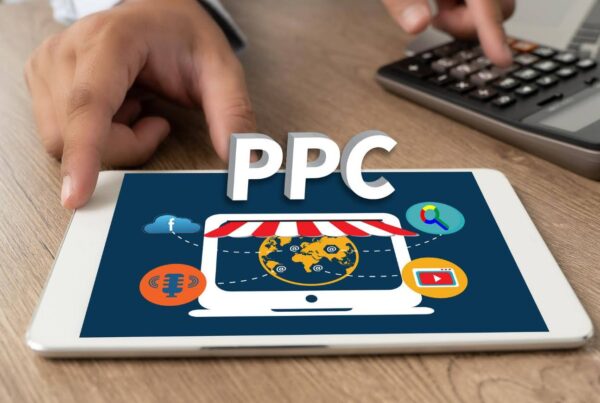
- Pay-per-click (PPC) advertising
- Influencer marketing
- Affiliate Marketing
- Video Marketing
- Mobile Marketing
- Remarketing/Retargeting
- Native Advertising
- Podcast Marketing
Social Media Marketing
Connect with your audience on social media. Build brand awareness and boost engagement. Use both organic content and paid ads.
Search Engine Optimization (SEO)
Enhance your website to boost visibility and ranking on search engine results. This will help increase your organic traffic.
Email Marketing
Send targeted emails to your subscriber list. This helps nurture leads, promote products, and build customer relationships. Use personalized content for better engagement.
Content Marketing
Share valuable content to attract and keep a target audience. This drives profitable customer actions and builds brand trust.
Pay-Per-Click (PPC) Advertising
Place ads on search engines or social media and pay only when users click. This allows for precise targeting and immediate visibility.
Influencer Marketing
Work with influencers to promote your brand. Use their credibility to connect with their audience.
Affiliate Marketing
Work with affiliates who promote your products for a commission. This helps you reach more customers through their promotion.
Video Marketing
Make and share videos on YouTube and social media. This will engage and entertain your audience, and help boost conversions.
Mobile Marketing
Target mobile users with:
- Mobile-friendly websites
- SMS marketing
- In-app ads
Use smartphones for better engagement.
Remarketing/Retargeting
Reach users who visited your website. Use targeted ads to bring them back and encourage desired actions.
Native Advertising
Blend promotions into the platform’s user experience. Show them as sponsored content or recommended articles. This increases visibility.
Podcast Marketing
Promote your brand with podcasts. They reach listeners who care about specific topics. Use audio storytelling to engage and connect with your audience.
What does a digital marketer do? Different types of digital marketers.
A digital marketer employs various strategies to promote products or services online, analyse market trends, and engage with target audiences. Different types of digital marketers include:
- Social Media Marketer: This person manages social media platforms, creates engaging content, and runs advertising campaigns to build brand presence and engage with followers.
- SEO Specialist: Optimizes website content, improves search engine rankings, and implements strategies to increase organic traffic and visibility on search engines.
- Email Marketer: This person designs and executes email campaigns, segments subscriber lists, and analyses email performance metrics to nurture leads and drive conversions.
- Content Marketer: Creates valuable and relevant content such as blog posts, articles, videos, and infographics to attract and retain a target audience and drive brand awareness and engagement.
- PPC Specialist: Manages pay-per-click advertising campaigns on platforms like Google Ads and social media, optimising ad performance and ROI through targeted keywords and audience segmentation.
- Influencer Marketer: Collaborates with influencers to promote products or services to their audience, leveraging their credibility and reach to increase brand visibility and drive sales.
- Analytics Specialist: This position analyses data from various digital marketing channels, identifies trends, and provides insights to optimise marketing strategies and improve campaign performance.
- Conversion Rate Optimiser: Improves website usability and design, conducts A/B testing, and implements strategies to increase conversion rates and drive desired actions from website visitors.
- Mobile Marketer: Develop strategies to reach and engage with users on mobile devices, including mobile advertising, app marketing, and optimising websites for mobile users.
- E-commerce Marketer: Manages online stores, implements strategies to increase sales and revenue, and optimises product listings and pricing to improve the shopping experience.
What businesses benefit the most from digital marketing?
Businesses across various industries can benefit significantly from digital marketing, but those that benefit the most typically include:
- E-commerce Stores: Online retailers can leverage digital marketing to reach a wider audience, drive website traffic, and increase sales through targeted advertising and promotional campaigns.
- Small Businesses: Digital marketing offers cost-effective solutions for small businesses to compete with larger competitors. It allows them to reach local and global audiences and generate leads without a hefty marketing budget.
- Startups: Digital marketing provides startups a platform to build brand awareness, attract investors, and acquire customers quickly and efficiently, enabling them to grow and scale their businesses rapidly.
- Service-Based Businesses: Professionals such as consultants, freelancers, and service providers can use digital marketing to showcase their expertise, attract clients, and build credibility through content marketing, social media, and online networking.
- Brick-and-Mortar Stores: Even traditional businesses can benefit from digital marketing by driving foot traffic to physical locations, promoting in-store events or sales, and engaging with customers online to enhance the overall customer experience.
- Tech Companies: Digital marketing is essential for technology companies to showcase their products, educate potential customers, and stay ahead of competitors in a fast-paced and competitive industry.
- Hospitality and Tourism: Hotels, resorts, travel agencies, and tour operators can use digital marketing to attract travellers, promote special offers, and provide personalised experiences to guests through targeted advertising and email marketing campaigns.
- Healthcare Providers: Healthcare practices, clinics, and hospitals can use digital marketing to reach patients, promote services, and build trust through educational content, patient testimonials, and online reviews.
- Education Institutions: Schools, colleges, and online learning platforms can use digital marketing to attract students, increase enrollment, and promote courses or programs through targeted advertising, email campaigns, and social media engagement.
- Food and Beverage Industry: Restaurants, cafes, and food delivery services can use digital marketing to showcase their menus, attract customers, and drive orders through online platforms, social media promotions, and influencer partnerships.
How to do digital marketing for your business?
To effectively do digital marketing for your business, begin by defining your goals, understanding your target audience, and selecting the most relevant digital channels and strategies to reach them.
Implement a cohesive digital marketing plan, regularly analyse performance metrics, and adapt your strategies based on insights to optimise results and achieve your objectives.
1: Define Your Digital Marketing Goals
Establish clear, measurable objectives to guide your digital marketing efforts. Whether it’s increasing brand awareness, driving website traffic, or boosting sales, defining specific goals ensures focus and alignment with your overall business objectives.
2: Understand Your Target Audience
Deeply analyse your target demographic’s characteristics, preferences, and online behaviour to tailor your digital marketing strategies effectively. By understanding your audience, you can create content and messaging that resonates with them and drives engagement and conversions.
3: Select Relevant Digital Channels and Strategies
Identify the digital platforms and channels where your target audience is most active and receptive to your messaging. Whether it’s social media, search engines, email, or content marketing, choosing the right channels ensures maximum reach and impact for your marketing efforts.
4: Implement a Cohesive Digital Marketing Plan
Develop a comprehensive digital marketing plan that integrates various strategies and channels cohesively. Consistent branding and messaging across all digital touchpoints help reinforce your brand identity and create a seamless experience for your audience, ultimately driving engagement and loyalty.
5: Regularly Analyse Performance Metrics and Adapt Strategies
Continuously monitor and analyse key performance indicators (KPIs) such as website traffic, conversion rates, and engagement metrics to evaluate the effectiveness of your digital marketing efforts. Use these insights to refine your strategies, optimise campaigns, and stay agile in response to changing market dynamics and consumer behaviour.
Digital Marketing Done Right with Olivetree Marketing
Marketing success in today’s digital space hinges on planning and adaptability. Businesses can craft cohesive digital marketing strategies by setting clear goals, understanding their audience, and selecting relevant channels. Regularly analysing performance metrics enables continuous improvement and optimisation.
Embrace the power of digital marketing to effectively reach, engage, and convert your audience, driving sustainable growth and success for your business. Talk to us today about digital marketing.